Rental Turnover Cleanouts: Getting a Unit Guest-Ready on a Deadline
A practical guide for landlords and property managers in Orlando, Kissimmee and St. Cloud on clearing a unit between tenants or guests without losing days.
A vacant unit costs money every day it stays vacant, and in the short-term rental corridor around Kissimmee the gap between guests can be hours rather than days.
The operators who handle this well are not faster on the day. They are better organised before it.
Long-term turnover versus short-term turnover
These are genuinely different jobs.
A long-term tenant move-out leaves behind whatever they abandoned, and you usually have a few days. A short-term rental turnover is about replacing worn furniture and clearing damage inside a booking gap, often on a fixed clock with a guest arriving.
Know your abandoned property obligations
Before you dispose of anything a departed long-term tenant left, understand that Florida law sets out a process for handling personal property left behind after a tenancy ends, including notice requirements and waiting periods.
This is not optional and it is not something a hauler can advise you on. Talk to your attorney or property management company about the correct procedure for your situation before you clear a unit. Getting it wrong is expensive in a way that dwarfs the cost of the cleanout.
Book before the tenant leaves, not after
The single biggest scheduling win. If you know the move-out date, book the clearout for the day after rather than calling once you have walked the unit and seen the mess.
Same-day availability is real but not guaranteed, and a unit sitting for two days waiting on a truck costs more than the cleanout.
Photograph everything before it moves
For the security deposit, for an insurance claim, and for your own protection. Photograph the unit on arrival, before anything is touched.
Then have whoever clears it photograph the empty unit when they finish. That pair of photo sets settles almost every dispute before it starts.
The items that come up every time
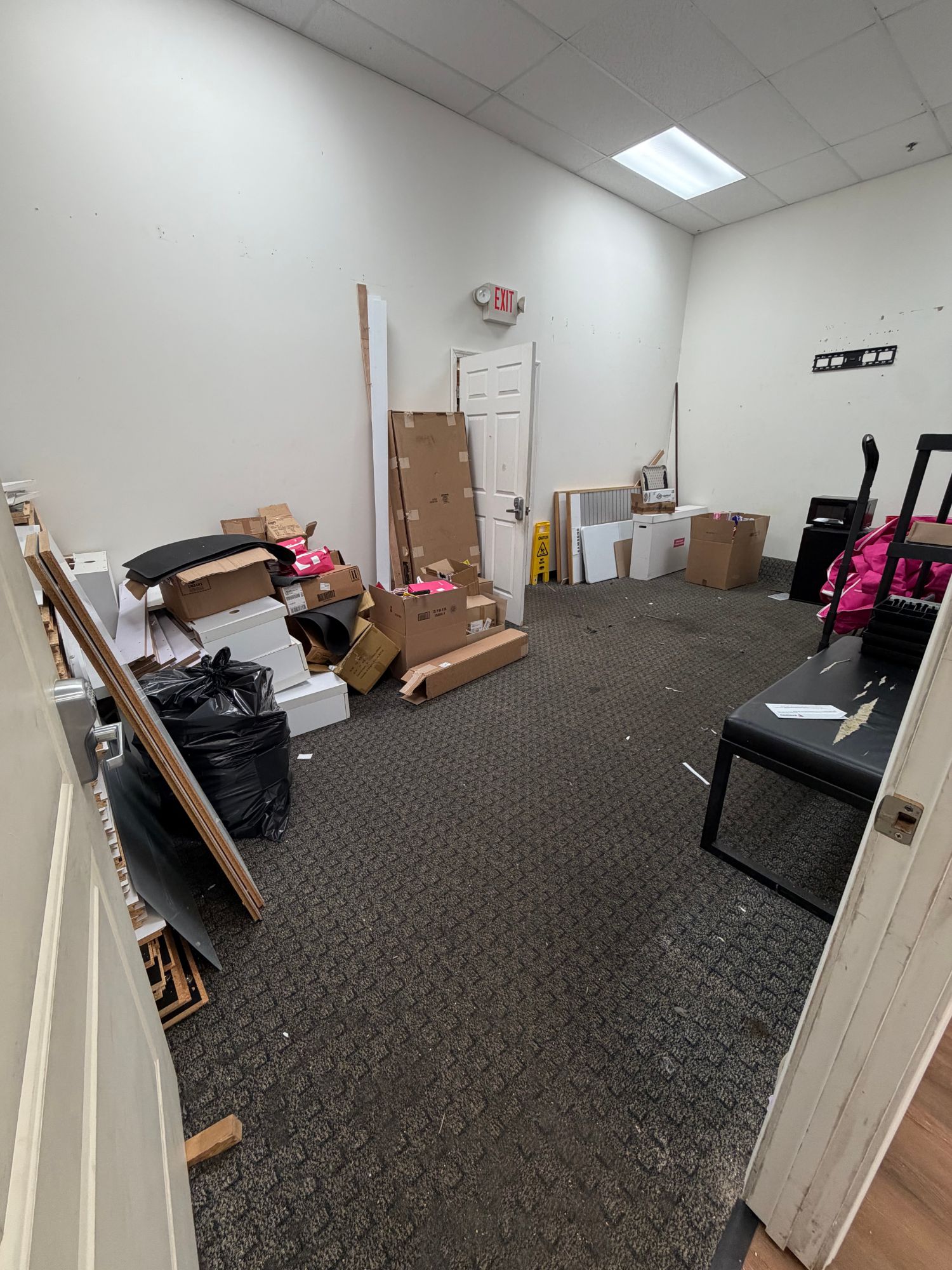
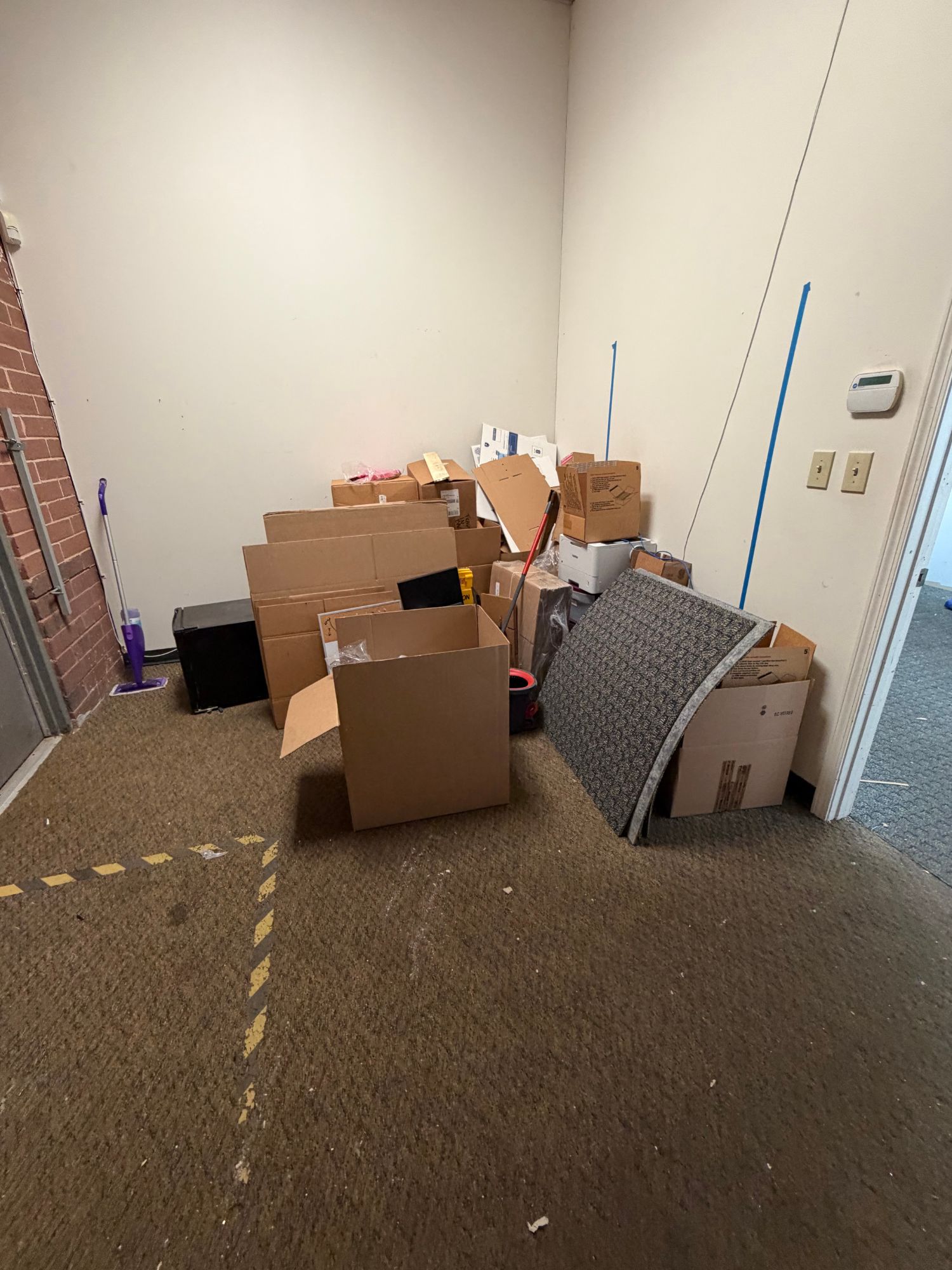
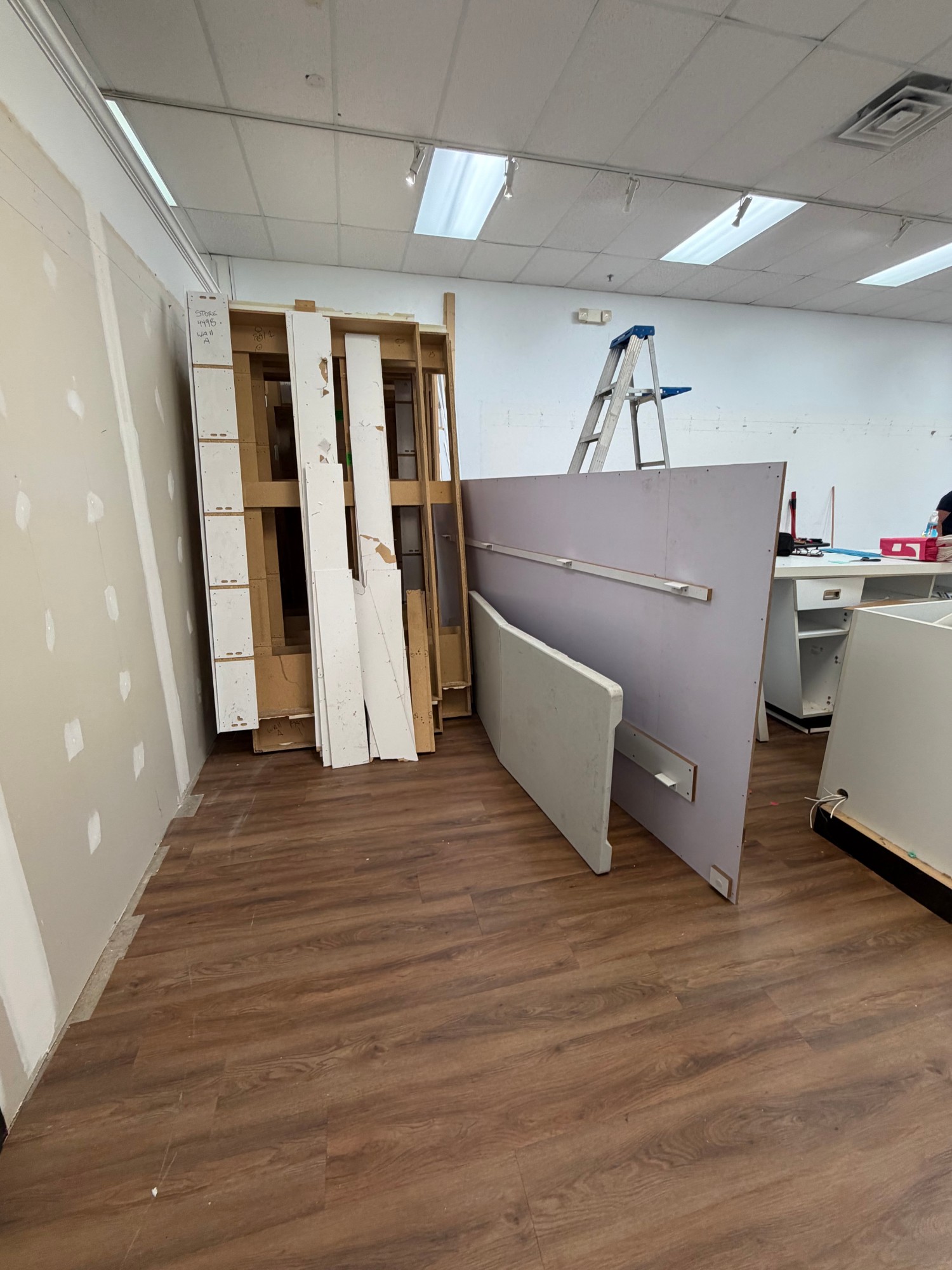
Turnover cleanouts are remarkably repetitive. Expect:
- Mattresses, which almost always need replacing on a schedule anyway
- Sun-destroyed patio furniture, especially in vacation rentals
- Damaged case goods: dressers, nightstands, coffee tables
- Whatever is in the garage or storage closet, which the tenant never mentioned
- Abandoned food and cleaning chemicals, which need separating out
Coordinate delivery and removal in the right order
When furniture is being replaced, clear the old set before the new one arrives, not after.
Getting this backwards leaves two sets of furniture in a property with nowhere to put either, and turns a two-hour job into a day. Give both the delivery window and the removal window to whoever is doing the removal.
If you run several properties, use one contact
Managers with multiple units get better scheduling by consolidating. One point of contact, addresses and access details in advance, photo confirmation per unit so you are not driving out to verify.
The short version
Book before the tenant leaves, photograph before and after, sequence removal ahead of delivery, and get legal advice on abandoned property rather than guessing at the process.